Controlling Your Diet At Weekends
🛑 The Weekend Wreckage: How Your 48-Hour Break is Erasing 5 Days of Progress
You’re a machine all week. Monday to Friday, you crush your workouts, stick to your meal prep, and watch your calories meticulously. You build a calorie deficit, feel fantastic, and see the scale moving in the right direction.
Then the weekend hits.
That feeling of freedom often translates into a dangerous mindset: the “all-or-nothing” mentality. We relax our standards, grant ourselves a few "well-deserved" cheats, and suddenly, two days of indulgence erase the entirety of your Monday-to-Friday effort. This pattern—the "Weekend Wreckage"—is the single biggest factor derailing long-term fitness goals.
The truth is, consistency, not intensity, is the ultimate driver of success. If you want to stop the cycle of gain/lose, feast/famine, and finally achieve lasting results, you must learn to navigate those precious 48 hours with a strategic mindset.
🤯 Cut the Cord: Why the “Cheat Day” is a Lie
The concept of the "cheat day" started as a psychological tool for bodybuilders on highly restrictive diets, but for most people, it has become a destructive, counterproductive binge signal.
A full cheat day—where all dietary rules are suspended—can easily involve consuming 3,000 to 5,000 extra calories. If you spent the entire week in a 500-calorie deficit (a standard approach for sustainable weight loss), you would have only saved 2,500 calories (5 days x 500 calories).
One day of abandonment can immediately put you back in a weekly surplus or wipe out your entire deficit.
The Alternative: The "Treat Meal" Approach. Instead of a destructive cheat day, integrate a planned
"treat meal" or
"flexible indulgence" into your weekend. This allows you to enjoy a favourite meal, socialise, and satisfy cravings without triggering the psychological binge that leads to a cascade of poor decisions for two days straight. The goal is to make healthy eating a
sustainable lifestyle, not a prison sentence that requires a weekend break.

🍴 Pillar 1: Proactive Food Control
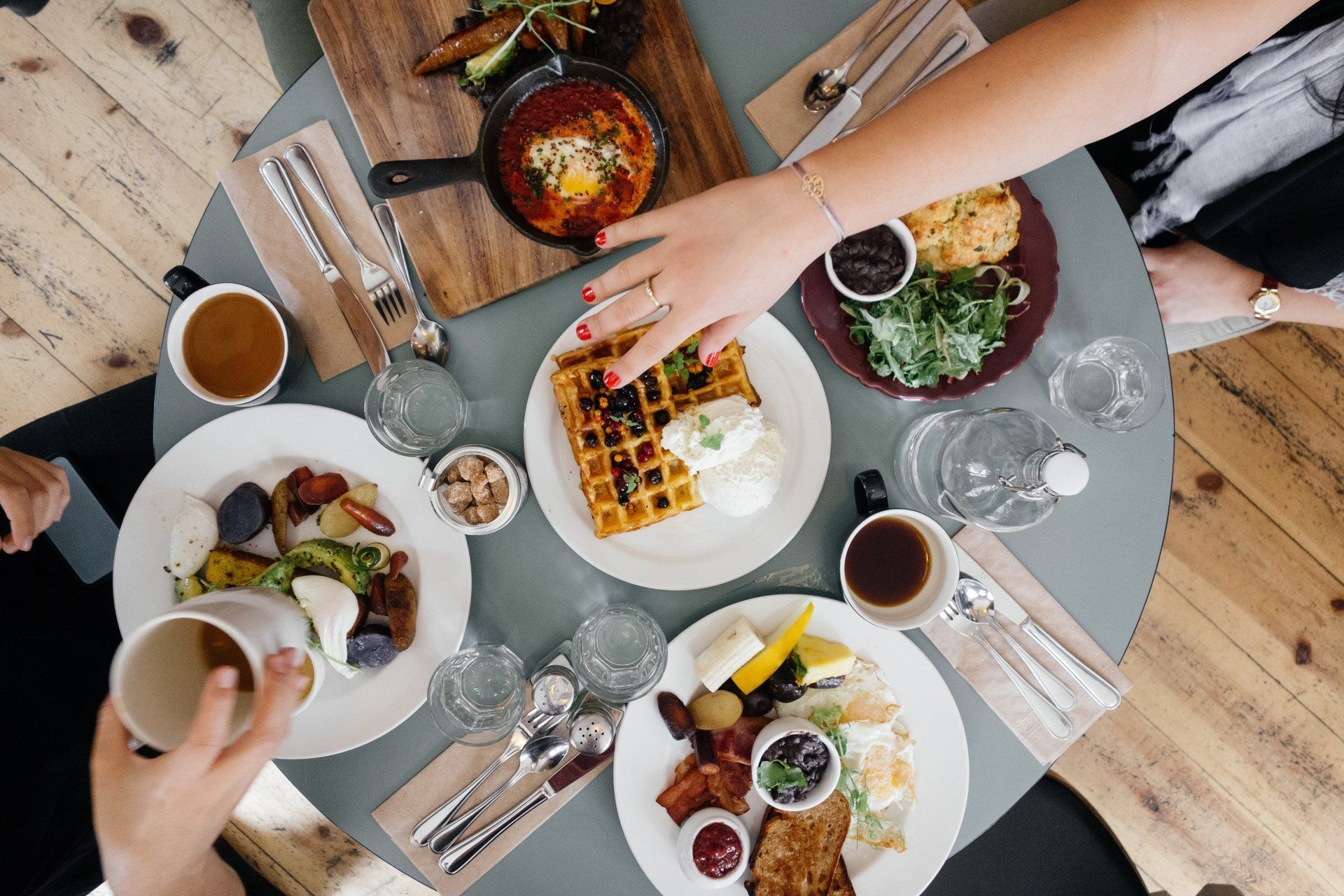
The primary reason weekday diets fail on the weekend is a lack of planning and structure. During the week, your work schedule provides a routine; on the weekend, you're left to your own devices, and usually, those devices lead to takeaways and convenience foods.
Make Healthy Meals Better
Take the extra time the weekend offers to learn to cook a few healthy meals that you genuinely look forward to. Experiment with spices, new ingredients, and different cooking methods. If you have exciting, delicious, healthy food ready, you are far less likely to call for a greasy delivery. This shift transforms food from a strictly functional necessity into an enjoyable, health-promoting hobby.
Strategic Snacking
Don't let yourself get too hungry. Plan healthy snacks (nuts, fruit, quality protein bars) before going out or engaging in activities. If you show up to a social gathering starving, your decision-making will be compromised, and you will choose the highest-calorie, most convenient option available.
🏃 Pillar 2: Activity as a Social Outlet
The weekend is meant for relaxation, but "relaxing" shouldn't mean being sedentary for 48 hours. Stay active!
Instead of only scheduling your physical activity around the gym, use the extended free time to explore other ways to move:
- Go for a long hike or nature walk.
- Take a cycling trip with friends or family.
- Try a new, fun sport like tennis or bouldering.
Being active not only burns calories but also makes you feel better about yourself and reinforces the positive mindset you built during the week. Furthermore, physical activity itself can reduce cravings for unhealthy comfort foods.

🍺 The Double Whammy: Alcohol’s Undermining Effect
The single biggest criminal in sabotaging weekend goals is often alcohol. This is not just about the empty calories in the drinks themselves; it's about the metabolic and psychological damage that follows.
A "big night out" is a double whammy:
- Calorie & Macro Overload: Alcohol provides pure energy that your body must prioritise burning, meaning fat burning stops. Plus, alcohol often leads to late-night snacking on nutrient-poor foods (pizza, chips, etc.).
- The Hangover Domino Effect: The next day, a hangover virtually guarantees you'll be sedentary, craving hyperpalatable, fatty foods to soothe your symptoms, and certainly won't be hitting the gym.
You do not need to cut out alcohol completely, but practice
moderation and
mindfulness. Inter-space alcoholic drinks with water, stick to lower-calorie options, and critically, know when to call it a night.
Conclusion: Own Your 48 Hours
Success in health and fitness is a marathon, not a sprint—and your training never stops. Stop viewing the weekend as a time to escape your diet; start viewing it as an opportunity to reinforce your lifestyle. By planning your food, integrating fun activity, and controlling your alcohol intake, you turn the "Weekend Wreckage" into the Weekend Win, propelling your results forward, not backwards.

Richard Watson
Sports Therapist